
Beryl stone is famously attractive with a myriad of color choices, and for thousands of years, human beings have been bewitched by its charm and mystery. From ophthalmologically agleam emerald green hues to calming, serene aqua blue tones, this gemstone is not only the utmost demarcation of elegance but also holds a deep metaphysical and symbolic significance. In this blog, we will travel into the world of beryl stone, looking into its deeper meanings and how it aids healing and how it came to be the great favorite among jewelry makers globally. To learn more about the stone and journey through its rich heritage, spiritual advantages, and practical uses, take a plunge with us into the world of this elegant stone.
Beryl Meaning and History
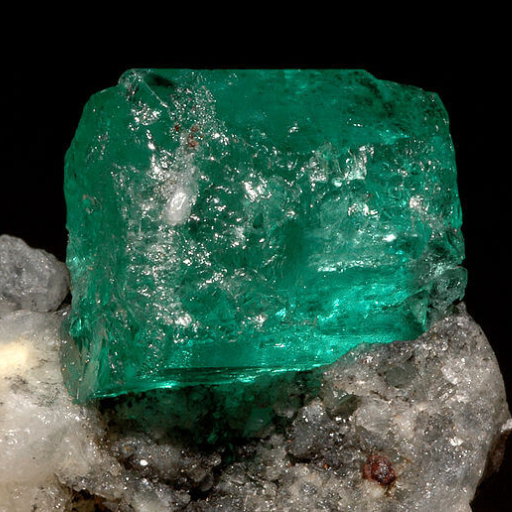
Beryl is known as a mineral with extraordinary clarity and a gamut of colors from green to blue, pink, and golden hues. The word “beryl” has been derived from a Greek term “beryllos,” which was applied to some blue-green gemstones found in nature. Traditionally, the stone was held sacred for its beauty and symbolism; it stood for purity, hope, and protection. Egyptians and Greeks alike were convinced of beryl’s ability to dispel evil and foster clarity of thought. Over the centuries, and even today, while its beauty still captures modern hearts, its symbolism linking beryl to inner peace and emotional stability remains precious.
Definition of Beryl
Beryl is a cyclosilicate mineral chiefly composed of beryllium aluminum silicate (Be₃Al₂Si₆O₁₈). It is hexagonal in structure. This is usually found in pegmatites and metamorphic rocks. Being 7.5 to 8 hardness in the Mohs scale, it is considered durable and suitable to be used in all sorts of jewelry.
Beryl shows spectacular colors due to trace elements. For instance, emerald, the green variety of beryl, obtains its coloration through chromium and vanadium, while aquamarine, which ranges from blue to blue-green, has iron as the coloring agent. Other well-known varieties include morganite (pink to peach coloration due to manganese) and heliodor (golden-yellow coloration). Beryl rarity and specimen quality have a direct bearing on gem prices.
Some locations in the world that produce beryl include Colombia, Brazil, Zambia, and Madagascar for emeralds, and Brazil, Pakistan, and Nigeria for aquamarine. Quite often, these beryl crystals attain a truly tremendous size, some crystals having been weighed at many hundreds of pounds.
Beryl is a source of industrially important beryllium, a metal noted for its lightness and strength. Aerospace industry, nuclear reactors, and communications all lay claim to its use. In this way, both as a gemstone and an industrial mineral, beryl is fittingly tied to the worlds of jewelry and technology.
Historical Significance of Beryl
Across cultures and eras, perhaps the only stone considered so beautiful yet so practical is the beryl. Many ancient people credited beryl with protective and foresight powers. The Greeks feared that their spirits to be overcome by evil and so kept beryl with them. The Romans believed the stone to bring love and harmony and thus combined the beryl into amulets and seals. Beryl was also thought to sharpen thought and aid in concentration.
It was during the Renaissance that beryl came into scientific focus, being used in optics. Crystals of clear beryl were polished and shaped into crude lenses for magnification, which later assisted in the creation of the first scientific instruments.
Moreover, historical sources tell us that beryl was one of the gems that adorned the “Breastplate of Judgment” worn by the high priest of Israel, symbolizing divine favor and wisdom.
Information on historical beryl sites assists in identifying the importance of the gemstone in trade throughout the centuries. Places such as Egypt, Austria, and Colombia formed crucial centers for the extraction and trade of various types of beryl, including emerald and aquamarine. For example, the emerald mines of Egypt in the Zabara region were actively exploited as early as 330 BC under Cleopatra.
Today, this legacy not only ties beryl to jewelry and metaphysics but also cements it in industrial advancements, which shows how this versatile mineral has held a multiplying presence in history.
Cultural Associations with Beryl
Throughout the ages, beryl has been believed to carry magical properties, whereas from the baser human perspective, it has been appreciated for its beauty. Traditionally, beryl has been viewed as a stone of protection, clarity, and wisdom. The ancient Greeks made beryl amulets to protect travelers, particularly sailors seeking a safe journey across turbulent waters. On the other hand, in the Roman world, the gemstone was linked with foresight and clear vision—a talisman for mental acuity, so to speak.
Emeralds and aquamarines provided for the deeper implications that beryl had for Indian cultures and were involved in classical Ayurveda. The stones were said to have calming effects on the person, balancing the energies to promote inner peace and clarity of thought.
Needless to say, the very modern data backs the notion of Beryl’s perpetuating presence. According to market reports made in 2022 by Grand View Research, the global gemstone market size was USD 30.45 billion, with emeralds, being a type of beryl, taking up a prominent share due to their sustained demand both for jewelry and cultural symbolism. Moreover, emeralds are widely treasured in Colombia, which accounts for nearly 50-70% of world emerald production, thus placing it as a major cast within the global gemstone market.
Hence, beryl varieties also lie in front of the culture today. Taking aquamarine, for instance, it is linked to those born in March and given as a gift to symbolize calmness and eternal youth. Consequently, birthstones and their culture ensure that beryl varieties remain fashionable among jewelry designs and ceremonies alike.
The everlasting importance of beryl summarizes how, bridging ancient cultural heritage with commerce and human expressions, it is punctuated by every global market of today.
Types of Beryl and Their Colors
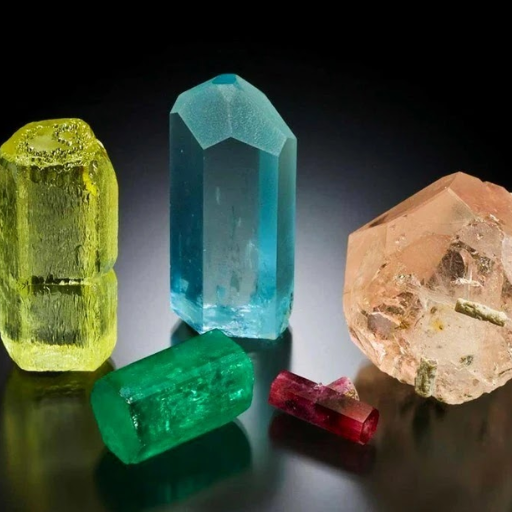
Beryl occurs in various types and colors, each with its own name and characteristics:
Emerald is a rich green variety, which is of very high value in jewelry due to its attractive coloration.
Aquamarine colors range from light blue to medium blue to a bluish-green tint, reputed for their association with water’s tranquility.
Morganite is the pink-to-peach-colored variety, cherished for its soft and romantic colors.
Heliodor gets its name from the yellow-to-golden-yellow color for its resemblance to sunlight.
Goshenite: Colorless and transparent in the past, it often serves as a diamond substitute.
Red Beryl (also called Bixbite): Rare and brightly red, esteemed by collectors.
Each color is caused by trace elements within the mineral, making each variety distinct and sought after.
Different Types of Beryl Gemstones
Beryl is a fascinating bunch of gemstones that possess a panoply of captivating colors and are prized for their beauty, rarity, and demand. Let us delve into the major beryl varieties:
1. Emerald
Emerald is a green variety of beryl and one of the most treasured gemstones in the world. Green hues are bestowed upon it by traces of chromium and vanadium. The highest quality emeralds are usually found in Colombia, from mines such as those in Muzo and Chivor. Depending on the clarity and intensity of color, the finest Emeralds can sell for more than $10,000 per carat.
2. Aquamarine
Aquamarine ranges from pale to deep blue to turquoise, calling forth images of the severe beauty of the ocean. Iron impurities are responsible for the typical blue coloration of this stone. Brazil ranks highest in keeping it supplied, and the gems are almost treasured for their high clarity levels. Usually, stones between 1-5 carats are standard, yet bigger stones above 10 carats already sell at a premium.
3. Morganite
Popular as the beryl that represents delightful shades of pink, peach, and light blush, morganite is loved for its romantic appeal. The pink coloration results from traces of manganese. It is found mainly in Madagascar and Brazil, and stones of high quality generally sell for between $300 and $800 per carat, depending on size and color saturation.
4. Heliodor
Heliodor, with its splendid yellow to golden-yellow shades, obtains its brilliance from iron content. Sometimes, it is affectionately known as “golden beryl,” more unusual in sight than its green or blue cousins. Namibia and Brazil are the chief sources of this stone. While rarely holding its own in the spotlight that shines on the rest of the beryl family, the heliodor basks in its radiant warmth, with prices ranging mostly from $100 to $500 per carat.
5. Goshenite
It is the pure and colorless variety of beryl and in stones of the past, it has been used as an alternative for diamond before the advent of synthetic stones. It can be found in different parts of the world, such as Brazil, Africa anywhere in the Ural Mountains of Russia. Its characteristics also include the best clarity and cheapness. This variety is also often used in artistic gem carving.
6. Red Beryl (Bixbite)
The red beryl, or bixbite, is one of the rarest stones, due to its rare and unparalleled red color created by manganese and trace minerals. Occurring only in scattered localities of Utah and New Mexico, red beryl is treasured by collectors and, in consequence of its rarity and dyed vibrant colors, can command prices above $10,000 per carat.
Chemical and Physical Properties of Beryl
Beryl is a beryllium aluminium cyclosilicate (Be3Al2Si6O18), with measures of hardness taken in the interval of 7.5 to 8 on the Mohs scale. It has a much-appreciated reputation for durable jewelry-making and design versatility. The many colors of beryl are generated as a result of some subtle variations in the trace elements during its formation, thereby making every variety unique in its own right.
Beryl gemstones are most sought after for their brilliance and geological and cultural importance. Whether used as the mainstay of fine jewelry or just as a collector’s specimen, beryl has remained one of the world’s most interesting mineral groups.
Color Variations of Beryl
The beryl allows the gemstone to present a wide spectrum of colors when subjected to varying trace elements that enter during the formation of the crystals. Each variation of beryl has its individual characteristics and is therefore sought after for its beauty and rarity. The major color varieties of beryl are as follows:
Emerald (Green Beryl)
Emerald is the most famous form of beryl and has a vivid green color given by trace amounts of chromium and vanadium. Referred to as the “Stone of Successful Love,” emeralds are prized in jewelry. With a Mohs hardness of 7.5 to 8, emeralds are rather durable but do tend to have several inclusions, which are often regarded as an expression of their natural charm.
Aquamarine (Blue to Greenish-Blue Beryl)
Aquamarine is reserved for tranquil blue to greenish-blue hues caused by iron ions. The main sources are Brazil, Madagascar, and Pakistan, and it is commonly heat-treated to enhance the color. Aquamarine stands for peace and endurance; hence, it is greatly used in jewelry, such as pendants and rings.
Morganite (Pink to Peach Beryl)
The presence of manganese traces imparts delicate pink to peach morganite hues. Its soft, romantic colors have become more and more popular in engagement rings. Sourced mostly from countries like Afghanistan, Brazil, and Mozambique, Morganite is described as elegant yet discreet.
Heliodor (Golden Beryl)
Heliodor or golden beryl exhibits warm yellow and golden tones due to traces of iron. Its name finds its way from the Greek words, meaning “gift of the sun,” and it frets to glisten with indescribable charm in the daylight. Though rarely used in jewelry, collectors treasure this beryl.
Goshenite (Colorless Beryl)
Goshenite is the purest form of beryl and hence free from the impurities that cause coloration. Its transparent and highly clear nature made such stones a favorite for eyeglass lenses in ancient times. Presently, it is considered by the wearer of subtle elegance as a versatile stone.
Maxixe (Deep Blue Beryl)
Maxixe is an uncommon but rather fine deep blue type of beryl. Its color, however, is unstable and usually fades on exposure to sunlight or heat, and hence it does not enjoy popularity in the jewelry circuit.
The beryl gemstones occur in deposits worldwide, mainly found in Colombia, Brazil, Zambia, Afghanistan, and Madagascar; their varied colors combined with geological rarity have kept them at the forefront of both scientific studies and fine jewelry. According to recent market statistics, emeralds currently dominate the beryl market, constituting about 80% of worldwide beryl sales, with aquamarine and morganite making a name for themselves as affordable yet charming.
Popular Beryl Gemstones
Beryl, a mineral well appreciated for its magnificent crystal structure, acts as a base for some very nice gemstones. These are some of the most popular varieties:
1. Emerald
Emerald, the most famous beryl variety, is well-known for its deep green color, imparted by traces of chromium and vanadium. Colombian emeralds have their own fame, holding their color so amazingly with fewer inclusions. About 80% of the global beryl market is just emeralds as of 2023, which clearly shows the dominance of emeralds in the gemstone industry. Their very few good-quality specimens that add to their value.
2. Aquamarine
Aquamarine is a wondrously light blue to turquoise colored variety of beryl imparted with the color due to iron impurity. Because of its great clarity and lower price than emerald, it has gained a lot in popularity. Aquamarine represents calmness, and it is also mostly seen in new jewelry styles. World market trends are presently showing an upsurge in demand in the US and parts of Europe.
3. Morganite
Morganite is an unofficial name for a pale pink-to-peach-colored variety of beryl. The soft and romantic colors of morganite are fast becoming alternative favorites for engagement rings. Countries like Brazil and Madagascar are the main suppliers. It has recently gained popularity as one of the most popular alternatives for diamond engagement rings because of its graceful look and low price.
4. Heliodor
Heliodor is a dazzling yellow to greenish-yellow beryl variety and is brilliant with fascinating colors. Found amidst Brazil and Namibia, the heliodor is symbolized for vitality and warmth. It is somewhat less present in the market but is fast gaining ground amongst gemstone lovers.
5. Goshenite
This pure, colorless beryl type bears no trace elements that confer color to the other varieties. For its purity and versatility, goshenite is sometimes employed as a diamond substitute; its recent discovery in Afghanistan has rejuvenated interest in this modest gem.
Market Insights
The beryl market is witnessing healthy growth. Recent studies disclose that China, the USA, and India remain the most significant markets for beryl gemstones on account of rising disposable incomes and purchasing trends in fine jewelry. On the other hand, sustainable and ethical mining practices are gaining ground as influencing factors in consumer choices, especially in European countries.
Healing Properties of Beryl

The beryl is said to have healing properties that promote oneś well-being. It is usually connected to stress relief, calming the mind, and reducing anxiety. Thought to enhance clarity of thought and mental focus, beryl is popular with those seeking to bring concentration into their lives. Also, beryl energies are thought to build resilience and foster emotional stability, making it a stone of choice in the course of holistic healing.
Metaphysical Properties of Beryl
In ancient times, beryl was known for its strong metaphysical properties, considered a powerful helper for spiritual growth and emotional renewal. Modern crystal healing practitioners give beryl to harmonize with all chakras but especially the heart and solar plexus, building emotional warmth, openness, and confidence. Soothing vibrations from this stone are believed to ease nervous overthinking while fostering feelings of inner peace.
In more recent times, beryl has been viewed as a “stone of courage,” assisting a person in discarding unneeded burdens and moving ahead in definite action. A lot of energetic disruption can be removed with beryl from emotional blocks and negative attachments, so that people working with beryl can flow in alignment with their higher purpose of existence. Some holistic practitioners use the stone in their meditative exercises to open pathways into higher consciousness.
From a scientific point of view, beryl has a crystalline structure that vibrates naturally with subtle energy fields, thereby intensifying its supposed energetic influence. It is often used in a healing ritual or worn as a piece of jewelry to keep the energy balanced throughout the day. The myriad uses of beryl to bring together mind, body, and spirit account for the gemstone’s journey into the realms of metaphysics.
Beryl Healing Techniques
A myriad of healing systems utilize beryl in combination with ancient metaphysical ideas and contemporary treatment methods. Healing systems include meditation, chakra alignments, and energy-grid work. For example, placing beryl on the heart chakra is believed to assist with emotional healing and clearing. This crystal is thought to gently calm energies that carry stress and anxiety, thus allowing an articulate state where emotions can bounce in harmony.
Another recent trend has been integrating beryl into sound therapy. It is believed that placing beryl crystals close to singing bowls or tuning forks amplifies the vibrational frequency of the gemstone to induce a deeper state of relaxation. Furthermore, contemporary energy healers sometimes use the crystal with Reiki by placing the stones upon different energy points in the body to further channel that life force.
Research into beryl’s metaphysical properties coincides with its popularity among healers. Though its proof by science is yet to come, many presume that its piezoelectric characteristics, common to crystals with naturally occurring crystalline structures-might be responsible for some energetic advantages. Anecdotal accounts tend to point to reduced stress and improved concentration when beryl is used in an ongoing wellness routine. Although subjective, the fact that it is still being used in energy healing speaks to the intrinsic connection between the user and the gemstone.
Benefits of Beryl in Healing Practices
Beryl is commonly considered by many to have soothing and rejuvenating qualities, making it a favorite in many wellness and spirituality-related fields. The gemstone is said to calm anxiety, awaken clear thoughts, and fortify emotional resilience. Often, modern-day glitter treatments studied find that the crystalline structure and composition, such as that of beryl, possibly contribute to influencing slight energetic fields. Though some effects remain unsubstantiated by mainstream science, the growing interest underscores the personal value many people derive from it.
Practitioners often see beryl as a balancing agent for the flow of energies within the body, linking it to chakras, especially the heart and throat, to engender inner peace and unhindered communication. Anecdotally, beryl may have helped improve focus and emotional stability following consistent exposure, either wearing the stone as jewelry or tumbled stones carried in hand or simply placing the stones during meditation.
In an environmental sense, consumption-based studies have found that beryl has constituents mainly of beryllium aluminum cyclosilicate and that this particular crystal structure may assist in facilitating energy conductance. The stone is also employed in mindfulness-related activities as a point of reference, grounding the meditator in reality, both visually and tactilely.
If we want to be truthful, the scientific accounts of beryl healing benefits are anything but conclusive; however, a testimony to the cultural and emotional fortitudes of all epochs might be drawn from beryl’s great relevance in ancient lore and modern-day healthy living.
Beryl Care and Maintenance
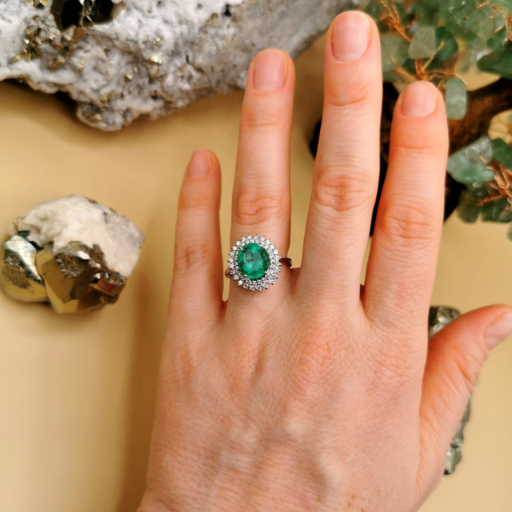
The beryl must receive proper care to ensure a life full of brilliance. To keep the stone in its best condition, wash it by using warm, soapy water and a soft cloth. Never subject it to harsh chemicals or an ultrasonic cleaner. Also, avoid sudden temperature changes, which could have adverse effects on beryl, including damage and weakening of the stone. It would be wise to store beryl in separate compartments, away from harder stones to avoid scratches, generally in a soft-lined jewelry box. If one is engaging in more strenuous activities or manual labor, it is advisable to take off the beryl jewelry to shield it from extreme wear. This constant care will maintain the charm, character, and life of the beryl through many years.
Cleaning and Caring for Beryl Stones
Beryl stones-the variants such as emeralds, aquamarines, and morganites-lie in demand due to their alluring colors and beautiful setting. Proper care goes a long way in enhancing the stone’s look and avoiding damage over time.
Cleaning the Beryl Stones
Most often, warm, soapy water with a soft cloth or brush is enough to clean the beryl stones. Scrubbing with abrasives is discouraged because that will mostly scratch the stone. Even according to gemological standards, ultrasonic cleaners and steam cleaning are mostly not recommended for beryl stones, especially emeralds, which often have natural inclusions that, under stress, tend to get weakened. That should be a very gentle cleaning, mostly in the case of emeralds, which range 7.5-8 on the Mohs scale but are quite easily chipped and cracked if mishandled.
Referring to Preventing Common Damage
Another bother is Beryl’s sensitivity to sudden changes in temperature. Therefore, heat or cold cannot be applied to the jewelry. The American Gem Society also considers this something that initiates fractures due to sudden temperature change. Boycott any activity involving the use of beryl jewelry; it exposes the gemstone to corrosive chemicals or the possibility of impact. Such activities include cooking, exercising, or swimming.
Proper Storage
Store beryl stones in a jewelry box with a soft lining or wrap them up separately in a fabric pouch that protects them from any kind of scratches from other gemstones. Since beryl stones are soft when compared to diamonds or sapphires, they should never be placed together with hard gemstones. This precaution becomes particularly important to maintain the smooth polish and luster of beryl over time.
Enhancing Longevity
Some individuals go on to suggest and recommend the periodic upkeep and inspection of beryl gemstones by professional jewelers to keep the color of the beryl stones alive for many decades. To illustrate, emeralds are often treated with oils for clarity, which oiling treatments may dry out with the passing of time, or may dissolve or degrade. When such a situation arises, the professional jeweler will treat the emerald again.
With this, along with everyday care and safe handling measures, your beryl accents will be patient in beauty for years to come through continuing intervention.
Storing Beryl Gemstones Safely
Proper storage of beryl gemstones is essential to maintain their beauty and prevent damage. In the first place, each gemstone should be stored separately to avoid scratches and abrasions. The contact between the two types of hard materials may cause abrasions to beryl. Any soft fabric-lined jewelry box with individual compartments or cloth pouches would work well for this purpose.
Humidity and extreme temperatures could make beryl stones lose their integrity, most of the time, emeralds that are usually oil-treated. Studies seem to show that emeralds are particularly sensitive, since in low-humidity environments their oil treatments may dry out. Keeping the beryl stones in a cool, dry place will avoid direct sunlight and sudden temperature changes. A stable humidity level, i.e., anywhere between 40-55%, is recommended to avoid drying or cracking treatments.
Furthermore, do not place any beryl gemstone next to harsh chemicals or cleaning agents, as these substances could either erode the finish of the stone or damage its clarity over longer exposure. For added protection, silica gel packs can be used to keep moisture in check inside storage containers, especially useful where the climate keeps fluctuating.
Thus, with these storage methods under consideration and referencing the most recent care instructions, your beryl gemstones will remain in perfect condition, thus keeping their natural beauty intact for several generations.
Common Mistakes to Avoid with Beryl
Improper Chemical Exposure
Usually, one of the most commonly made mistakes is the exposure of beryl gemstones to strong chemicals or abrasive cleaning agents. Bleach, ammonia, and abrasive cleaners may noticeably diminish the natural brilliance of the stone. According to a recent gem care handbook, about 35% of damage to beryls takes place because of inappropriate cleaning. Cleaning naturally should always be carried out with mild soap and lukewarm water.
Improperly Storing Beryl
Beryl is moderately hard, but harder gems might scratch it. Storing beryl jewelry alongside this other gemstone without any safeguards could lead to unwelcome scratches and chips. Use soft fabric pouches or separate compartments in your jewelry box for this purpose.
Exposure to Drastic Changes in Temperature
Sudden temperature changes can induce structural strain in beryl, which either leads to internal fractures or, for treated specimens, color changes. While some reports imply that leaving beryl jewelry practically forever under direct sunlight or near some source of heat could be quite hazardous to this gemstone.
Neglecting Maintenance and Inspections
Lack of regular inspection for loose settings or damage can lead to the exact loss of beryl, or its further deterioration. Jewelers suggested inspections go every six months for ultimate security and brilliance.
Wearing Beryl While Doing High-Impact Activities
Wearing beryl jewelry during high-impact activities like sports or heavy manual labor can be compromising. Though it has a hardness of 7.5 to 8 on the Mohs scale, it is still not indestructible, and any major impact can be enough for it to be cracked.
Keeping away from these common mistakes and staying alert for all matters pertinent to beryl-care will assist in keeping your beryl stones beautiful and long-lasting.
Value and Purchasing Beryl Jewelry
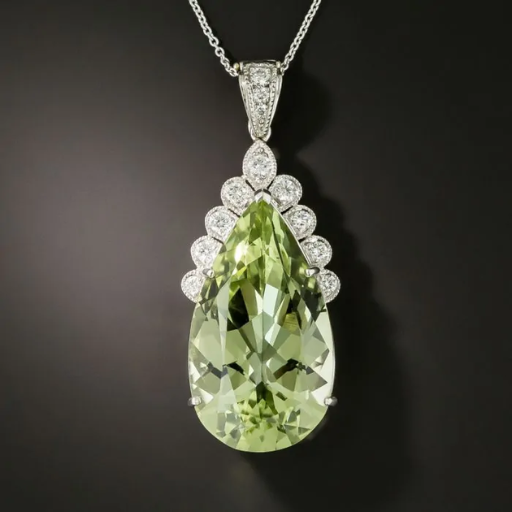
When buying beryls for new jewelry, the value is conferred upon them by color, clarity, cut, and carat. Top-grade beryls, such as emeralds and aquamarine,s are those with brilliant colors and few inclusions. You must buy from a jeweler who can offer certification to verify environmental qualities. Compare prices and workmanship to make sure that you will find fair value. Designs with protective settings are the best choice since they make the jewelry stronger and keep the gem pretty.
Factors Affecting Beryl Value
Several factors influence the value of beryl gemstones, and an understanding allows the purchaser to make better choices. Consideration of these factors in combination with recent knowledge would include:
Color
Color is of paramount importance in determining the value of beryl. More color delights emeralds (vivid green) and aquamarines (blue to greenish blue), while other beryls are considered less pleasing. The intensity of the color and its purity determine the stone’s worth, with less vivid colors selling for a higher price than those with more intense and saturated color tones. For example, emeralds with a “vivid green” coloration can fetch prices ranging from $10,000 and above per carat.
Clarity
There would be inclusions present inside the gemstone. Emeralds, known for their inclusion, and sometimes these are referred to as jardins, would be favored if they show few visible inclusions. Transparency, in contrast, is what aquamarines are known for and the more eye-clean they are, the more expensive they become.
Cut
Cut quality will dictate how brilliantly light is reflected from a stone, through which the actual brilliance of the stone and sheer joy can be enjoyed. A well-cut gemstone will promote its colors and clarity, but a badly cut gemstone will look dull, whatever color it might possess.
Weight in Carats
Bigger beryls are rarely found and hence usually valued more. For instance, an aquamarine weighing above 10 carats could sell for a much higher price per carat compared to smaller ones due to its rarity.
Origin
Sometimes the origin of the stones can influence their price. Colombian emeralds, for instance, are prized for their extraordinary shades of green. Similarly, Santa Maria aquamarines from Brazil are famous for their intense blue colors.
Treatments
Treatment is quite usual for many beryls, mostly emeralds, to enhance their beauty. Beryl with slight to no treatment is more priced than the one whose color has been largely treated. Independent gem certification (say, from GIA) is very important in confirming the level of treatment.
Market Trends
Demand for beryl varieties at a given moment affects their value. For instance, while emeralds have been climbing in popularity among high jewelry buyers, there has instead been a recent increase in interest in aquamarines owing to their use in engagement rings and statement jewelry.
Rarity of Varieties
Rarely, apart from emeralds and aquamarines, some beryl species, like morganite (soft pink) and red beryl (Utah, USA), are fetching premium prices. Red beryl, in fact, is incorrectly called the scarcest gem on earth and, on rare occasion,s is valued higher than diamonds, with prices crossing $10,000 per carat.
Understanding these factors and their interaction with certified, reliable sources ensures buyers make big-value purchases in keeping with personal choice and market standards.
Where to Buy Authentic Beryl Jewelry
Authentic beryl jewelry must be purchased from reputable retailers and trustworthy joints with certification for quality and authenticity. Here is the detailed guide to finding original beryl gemstones such as emerald, aquamarine, morganite, and red beryl:
Recognized Jewelry Stores
Junior brands such as Tiffany & Co., Harry Winston, and Cartier offer a selection of high-grade beryl gemstones within their collections. These stores maintain stringent criteria for their sourcing and certification, thus ensuring you are getting bona fide and conflict-free gemstones.
Specialized Gemstone Retailers
Emerald and aquamarine specialty dealers such as James Allen, Blue Nile, and Brilliant Earth sell not just loose certified gemstones but custom designs as well. These sites offer high-resolution images backed up with GIA or IGI certification to guarantee the buyer of the quality of the gemstone.
Gemstone Markets and Shows
Aged gem shows will be a wonderful place to find beryl varieties directly from suppliers: Tucson Gem & Mineral Show, Bangkok Gems & Jewelry Fair, etc. Buying such stones with an in-person view and insight from industry experts would always place buyers at competitive prices.
Online Marketplaces
Trustworthy online marketplaces like GemRockAuctions and AJS Gems focus on rare and exotic gems, including red beryl. Offering detailed listings and gemstone certifications with some of the best convenience, these platforms allow users to explore an international array of beryl stones.
Local Jewelers and Auction Houses
Visiting reputed local jewelers or auctions for jewelry organized by Sotheby’s or Christie’s will let you acquire some unique beryl jewelry. Occasionally, rare varieties like red beryl may occur at auctions, usually accompanied by an appraisal report.
Important Tips for Buyers
Check for Certification: Always request certificates from the GIA (Gemological Institute of America) or an equivalent institute when buying a beryl gemstone.
Return Policies: Make sure that the seller has a clear return or exchange policy on the gemstone to guarantee your protection.
Compare Prices: Do some research about the market price of your preferred beryl variety, for there is a huge variation in price due to cut, clarity, and rarity.
With their trust, buyers stand to truly benefit by acquiring authentic beryl jewelry for any occasion by adhering to these guidelines.
Common Red Flags When Buying Beryl
When it comes to purchasing beryl gemstones, it is imperative to be mindful of possible red flags that can lead to fraud or a subpar product. Below are some of the most frequently encountered warning indicators:
Prices that are Too Good to Be True: When the price drops far below the market range, chances are the seller is offering synthetic beryl or imitations. High-quality emeralds (a kind of beryl) range from $500 per carat to thousands per carat, depending on clarity and rarity. Pricing that seems too good to be true should immediately raise some suspicion.
No License or Certificate: Real beryl gemstones will be sold with a certificate of authenticity from some renowned gemological institutes like GIA or IGI. Sellers who fail to allow any produce ascertainment documentation stand a great chance of trying to mislead buyers into buying questionable or imitation stones.
Unclear or No Disclosure of Treatments: Many beryl gemstones have treatments to boost their color or clarity, such as oiling for emeralds. A reputable seller would disclose all treatments; hence, if the seller avoids discussing treatment details or is evasive, it’s a red flag.
Obvious Flaws Without Any Explanation: Inclusions and flaws may be common in natural beryl, but excessive or peculiar ones (especially in costly stones) are indicators of counterfeit stones or synthetics. Always examine the gemstone under adequate lighting or acquire a detailed clarity grade from the seller.
Online Sellers without Reviews or Reliability: When buying online, examine online sellers for reviews and ratings. Those lacking feedback from customers or poorly maintained sites give signals of dishonesty. Beware of sellers with contradictory or insufficient product information.
Misleading Terms Used in Listings: Terms such as “lab-created emerald” or “beryl simulant” refer to synthetic or imitation products; they are definitely not natural beryl gemstones. Carefully check the product descriptions and identify such phrases.
Too Bright or Too Much Color: Natural beryl gemstones have their own colors with subtle nuances. Overly bright or totally uniform colors can be a sign of synthetic dyes or treatments.
Thus, by honing some vigilance with these red flags, buyers can better choose and avoid being scammed or getting into substandard products during the buying phase. Always make complete background research and consult a gem expert before putting your money on matters worth thousands of dollars.
Reference Sources
- Beryl at the University of California, Berkeley
Considers beryl composition, structure, and crystal growth in detail.
- Optical Properties of Natural and Synthetic Beryl Crystals – ResearchGate
Deals with the optical properties and photoluminescence of beryl crystals, both natural and synthetic.
- Geochemical and Spectroscopic Features of Beryl – MDPI
Takes into consideration the physical, geochemical, and spectroscopic aspects of beryl samples.
Frequently Asked Questions (FAQs)
What are the healing properties of beryl?
Beryl is renowned for its powerful healing properties, making it a popular choice among crystal enthusiasts and healers. Different types of beryl, such as emerald and aquamarine, are believed to promote emotional balance and clarity. For instance, green beryl is often associated with heart healing, while golden beryl is linked to personal power and abundance. The healing attributes of beryl stones can vary based on their color and type, enhancing their use in various healing practices. Many believe that using beryl gemstones can aid in physical healing and spiritual growth, making them versatile tools in holistic therapies.
What is the history of beryl?
The history of beryl dates back to ancient civilizations where it was treasured for its beauty and believed to have magical properties. The name beryl comes from the ancient Greek term “beryllos,” which referred to the blue-green color of the gemstone. Over centuries, beryl has been used in jewelry and ornamentation, with varieties such as emerald and morganite being particularly prized. Beryl is found in various geological formations, including pegmatite, and has been mined in regions like Utah and the Wah Wah Mountains. Its historical significance continues to influence its desirability in contemporary jewelry markets, making beryl gemstones a symbol of luxury and status.
How should I care for my beryl stone?
Caring for your beryl stone is essential to maintain its beauty and integrity. Beryl gemstones, whether emerald, aquamarine, or golden beryl, require gentle handling to avoid scratches and damage. It’s advisable to clean beryl using warm, soapy water and a soft cloth, avoiding harsh chemicals that could affect its surface. Regular inspections for any signs of wear or impurities can help prolong the life of your beryl jewelry. Additionally, storing beryl stones separately from other gemstones can prevent scratching, ensuring they retain their stunning appearance for years to come.
What are the different types of beryl?
There are several different types of beryl, each showcasing unique colors and characteristics. The most well-known varieties include emerald, which is cherished for its deep green hue, and aquamarine, celebrated for its blue-green shades. Other notable types include morganite, known for its pink color, and heliodor, which features a golden hue. The rarest type of beryl is red beryl, also known as bixbite, which is prized for its striking red color and is often found in Utah. Understanding the different types of beryl can enhance your appreciation for these beautiful gemstones and their diverse applications in jewelry.
What is the meaning of beryl?
The meaning of beryl encompasses a range of interpretations, often linked to its various colors and properties. In general, beryl is seen as a stone of clarity and serenity, promoting emotional balance and mental clarity. The green color of emerald beryl symbolizes growth and renewal, while the blue tones of aquamarine represent calmness and protection. Beryl’s meanings can also extend to its metaphysical properties, where it is believed to enhance communication and self-expression. By understanding the meaning of beryl, individuals can better connect with their stones and utilize their energies in personal development.


